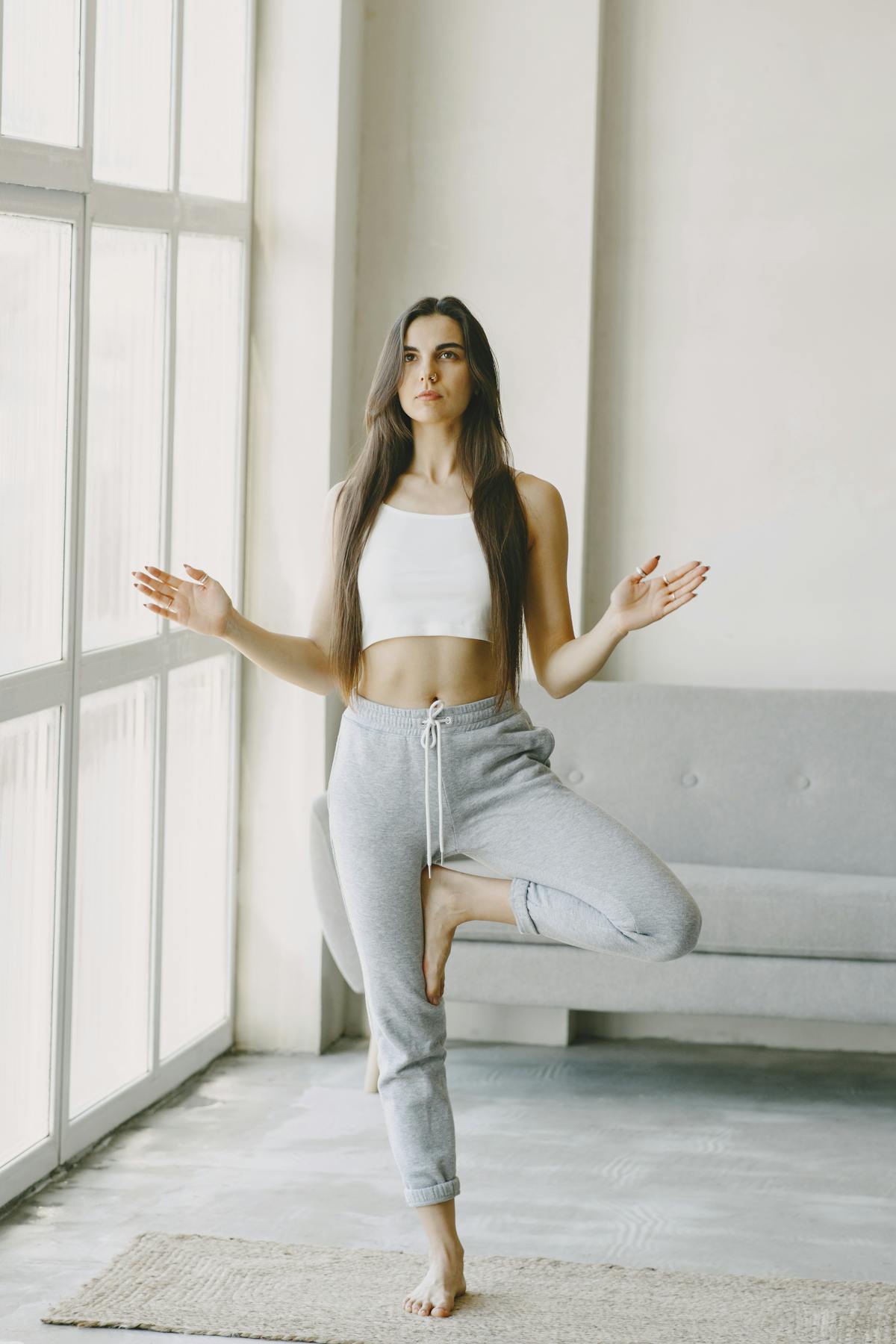
Yoga is, at its core, a practice of movement and breath. For most people who start — and especially for those who stick with it — the benefits are less about flexibility and more about how it makes you feel: calmer, more present, less locked in your own head. This guide is for people who are genuinely curious but not sure where to begin.
What yoga actually involves
A yoga class typically combines physical postures (asanas), breathing exercises (pranayama), and some degree of guided relaxation. The balance between these varies considerably depending on the style and the teacher. Some classes are vigorous and physically demanding. Others are gentle and meditative. Most fall somewhere in between.
What yoga is not — despite a fair amount of marketing language — is a quick fix for anything. It is a practice, meaning the benefits accumulate over time and consistent engagement. That said, many people notice improvements in tension, sleep, and stress levels within a few weeks of starting a regular routine.
Choosing a style that suits you
The number of yoga styles is bewildering if you are new to it. A practical starting point for most people:
Hatha yoga is a broad category that encompasses most physical yoga. Classes simply labelled "hatha" tend to be slower-paced and accessible, making them a solid entry point for beginners.
Vinyasa (sometimes called flow yoga) links movement and breath in continuous sequences. More dynamic than hatha, more physically demanding, but popular among people who find stillness frustrating.
Yin yoga involves holding passive poses for several minutes at a time, working with deeper connective tissue. Quiet, slow, and — for many people — surprisingly challenging in a different way. Good for those dealing with chronic tension or stress.
Restorative yoga uses props to support the body in deeply relaxed positions. Very gentle, very slow. Often helpful for people recovering from illness, injury, or sustained periods of high stress.
For most beginners, a gentle hatha or a class specifically labelled for beginners is the most sensible entry point. If a particular teacher or style does not suit you, try another before concluding yoga is not for you — it varies more than people expect.
What you need to get started
Very little. A mat helps — decent entry-level options cost between £15 and £40, and most gyms and studios hire them out if you want to try before buying. Comfortable clothing that lets you move freely. That is essentially it.
You do not need blocks, straps, or bolsters when you are starting out. Studios supply these if required. You also do not need to be flexible. Flexibility is a result of yoga practice, not a prerequisite for it. The number of beginners who arrive saying they are "not flexible enough for yoga" would be funny if it were not so common.
In-person classes versus home practice
Both have real merits, and many people end up doing a combination. In-person classes with a qualified teacher offer guidance on alignment that online videos simply cannot match. For beginners particularly, a teacher can spot issues with posture that you would not notice yourself — and that matter for avoiding injury over time.
Home practice via apps or video works well as a supplement, especially for shorter sessions on days when getting to a class is not realistic. YouTube has a large volume of free beginner content; quality varies, so look for instructors who offer modifications and provide clear alignment cues rather than just demonstrating impressive poses.
How often and for how long
Two to three sessions a week of twenty to forty minutes each is a reasonable starting point for someone building a new practice. More is fine if you enjoy it. Less still provides benefit — even one session a week is meaningfully better than none.
The most common mistake beginners make is not starting too little — it is starting too intensely and losing momentum in the first month. Build gradually, aim for consistency over volume, and allow yourself sessions that feel easy rather than punishing.
Managing discomfort and knowing your limits
Yoga should not hurt. A sense of stretch, exertion, or mild effort in a pose is normal and expected. Sharp pain, joint discomfort, or pain that persists after class is not. If something hurts, come out of the pose. Tell your teacher. Rest if needed.
If you have a musculoskeletal condition, previous injuries, or any health issue that might affect your ability to exercise, please speak to your GP or a physiotherapist before starting yoga. Certain poses are contraindicated for specific conditions, and a qualified teacher will want to know about any relevant health history before your first class.
This article is published for informational and general wellness purposes only. It does not constitute medical or therapeutic advice. If you have health conditions that may affect your ability to exercise, please consult a qualified healthcare professional before beginning yoga or any new physical practice.