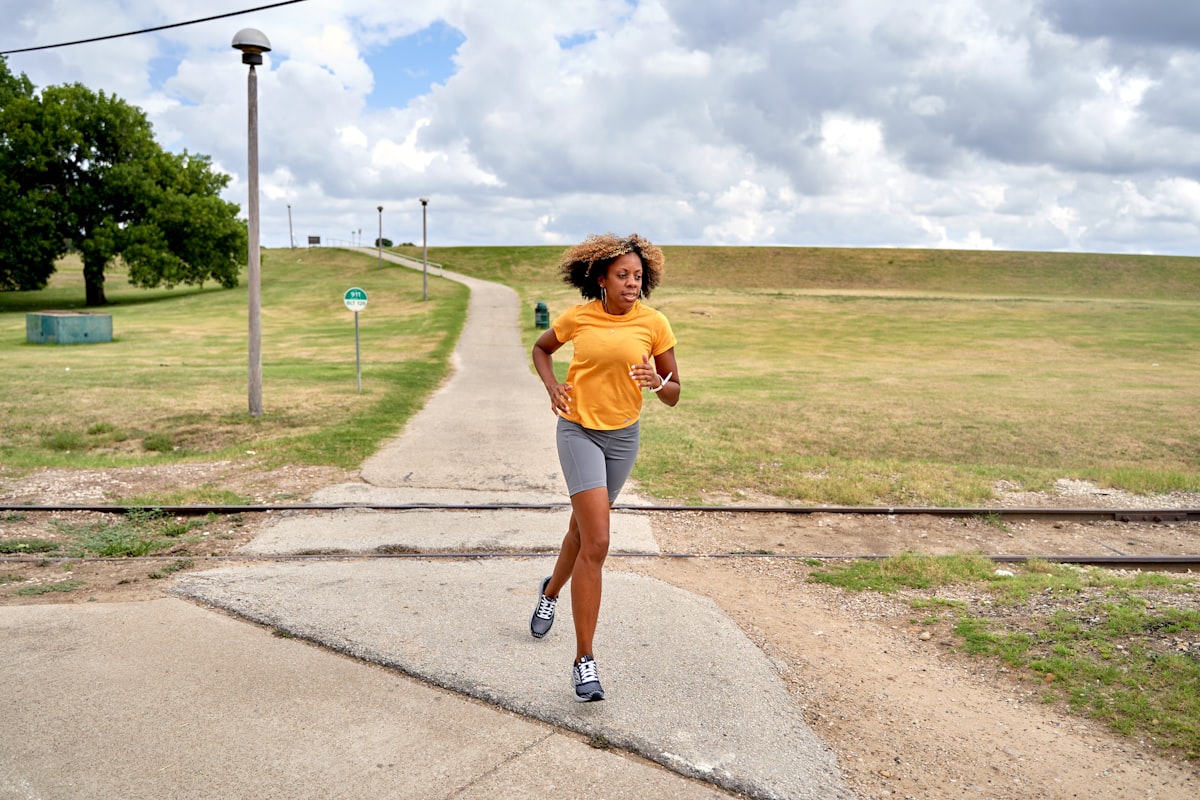
The idea that you need a gym to get fit is one of those beliefs that feels obvious until you examine it. Plenty of people are reasonably fit without ever setting foot in a weights room. And plenty of people have gym memberships they use three times before it becomes a standing direct debit they feel guilty about.
This piece is for the person who wants to move more, build some baseline fitness, and not make it complicated. It's not about elite performance or body transformation. It's about being less sedentary, a bit stronger, and not getting out of breath climbing stairs.
A note before we start: this article is for general informational purposes. If you have a health condition, recent injury, or any concerns about starting exercise, it's worth talking to your GP first. The NHS also provides free resources on getting active, including its Couch to 5K programme and better health tools.
The case for outdoor movement first
Walking is underrated to a degree that's almost embarrassing given how much research supports it. Regular brisk walking — roughly 100 steps per minute, enough that you can still talk but feel your heart rate slightly elevated — has well-documented associations with reduced risk of cardiovascular disease, improved mood, and better sleep quality.
For most people who currently do very little activity, adding 30 minutes of brisk walking five days a week is the single most impactful thing they can do. It requires no equipment, no membership, and no technique. It can be done during a lunch break, before work, or while walking a dog. It also doesn't feel like "exercise" to many people who find structured workouts hard to sustain.
Running builds on this. NHS Couch to 5K is genuinely one of the best free exercise resources available in this country. It's a nine-week programme that starts with short intervals of running and walking and builds gradually. The app is free, it works, and it has helped a substantial number of people who thought they "couldn't run" complete 5km comfortably.
If running doesn't appeal, cycling fills a similar role and is lower-impact on the joints. You can cycle to work if geography allows, or use local parks. There's also Parkrun — a free, timed 5km event held at parks across the UK every Saturday morning — which has a community element that many people find genuinely motivating.
Bodyweight training at home
You don't need weights to build meaningful strength, particularly if you're starting from a low baseline. The classic bodyweight exercises — press-ups, squats, lunges, planks, glute bridges — target most of the major muscle groups and can be made progressively harder without any equipment at all.
The key principle with any strength training is progressive overload: gradually making the exercise harder over time so the muscle continues to adapt. Without progression, exercise maintains fitness but doesn't improve it. With bodyweight training, you progress by increasing repetitions, slowing the movement down, reducing rest time, or moving to harder variations — going from a standard press-up to a close-grip press-up, for instance.
A simple session might look something like this: three rounds of ten squats, eight press-ups, ten lunges per leg, a 30-second plank, and ten glute bridges. That's roughly 20 minutes. It requires nothing except a floor. Done three times a week with consistent progression, it will produce noticeable improvements in strength and body composition over two to three months.
Resistance bands are worth a mention — they cost around £10 to £15 for a set of three, they fit in a drawer, and they add useful variety and resistance to home training, particularly for upper body and hip exercises that are harder to load with bodyweight alone.
HIIT and the time argument
High-intensity interval training — short periods of hard effort alternating with rest — has become popular partly because the sessions are short. A 20-minute HIIT session can produce meaningful cardiovascular benefit. The tradeoff is that genuine high-intensity work is uncomfortable, and workouts described as "HIIT" in many online videos are often more moderate than the name suggests.
There's nothing wrong with moderate-intensity circuits. They're sustainable, they work, and they're less likely to leave you unable to move the next day. The main thing is that you're moving at an intensity that feels genuinely challenging — not comfortable, but not so hard that you're dreading the next session.
YouTube has an enormous amount of free home workout content of variable quality. Channels associated with exercise physiologists or with a clear evidence-informed approach tend to be more reliable than those built primarily around aesthetics. The NHS website also lists free exercise videos and resources as part of its physical activity guidance.
The role of incidental activity
Research on NEAT (non-exercise activity thermogenesis) — the energy expended through movement that isn't formal exercise — suggests it can be a significant contributor to overall activity levels and health outcomes. Put simply: the movement you accumulate through the day matters, not just the 30 minutes you designate as "exercise".
Taking stairs instead of lifts, walking or cycling for short journeys, standing rather than sitting when you're on the phone — these add up. They won't replace dedicated exercise if your goal is improved fitness, but they meaningfully reduce the harms of an otherwise sedentary lifestyle.
There's also decent evidence that breaking up prolonged sitting — even briefly, even just standing up for a minute or two every hour — has measurable benefits over remaining seated for eight-hour stretches. If you work at a desk, a standing desk or simply setting an hourly alarm to move is worth considering.
Making it stick
The biggest fitness problem most people have isn't knowledge. They know roughly what they should be doing. The problem is consistency over time.
A few things are reasonably well-evidenced as drivers of exercise adherence. Convenience matters enormously — the friction between deciding to exercise and doing it predicts whether it happens. A 20-minute walk from your door requires almost no friction. A 45-minute journey to a gym and back requires considerable activation energy.
Social accountability helps. Exercising with a friend, joining a running group, or doing Parkrun with a colleague adds social commitment that makes it harder to skip. It also makes the activity more enjoyable, which matters more than people often admit.
Starting with less than you think you need to is often wiser than starting with an ambitious programme you can't sustain. Three 20-minute walks a week is more valuable than one theoretically intense session followed by three weeks of nothing.
And giving yourself credit for imperfect consistency rather than treating missed sessions as failure is more likely to keep you going. Most people who remain reliably active aren't the ones who never miss a session. They're the ones who don't let a missed session become a missed month.
This article is for informational purposes only and does not constitute medical or fitness advice. Always consult a qualified professional before starting a new exercise programme, particularly if you have any health conditions. NHS resources on physical activity are available at nhs.uk.